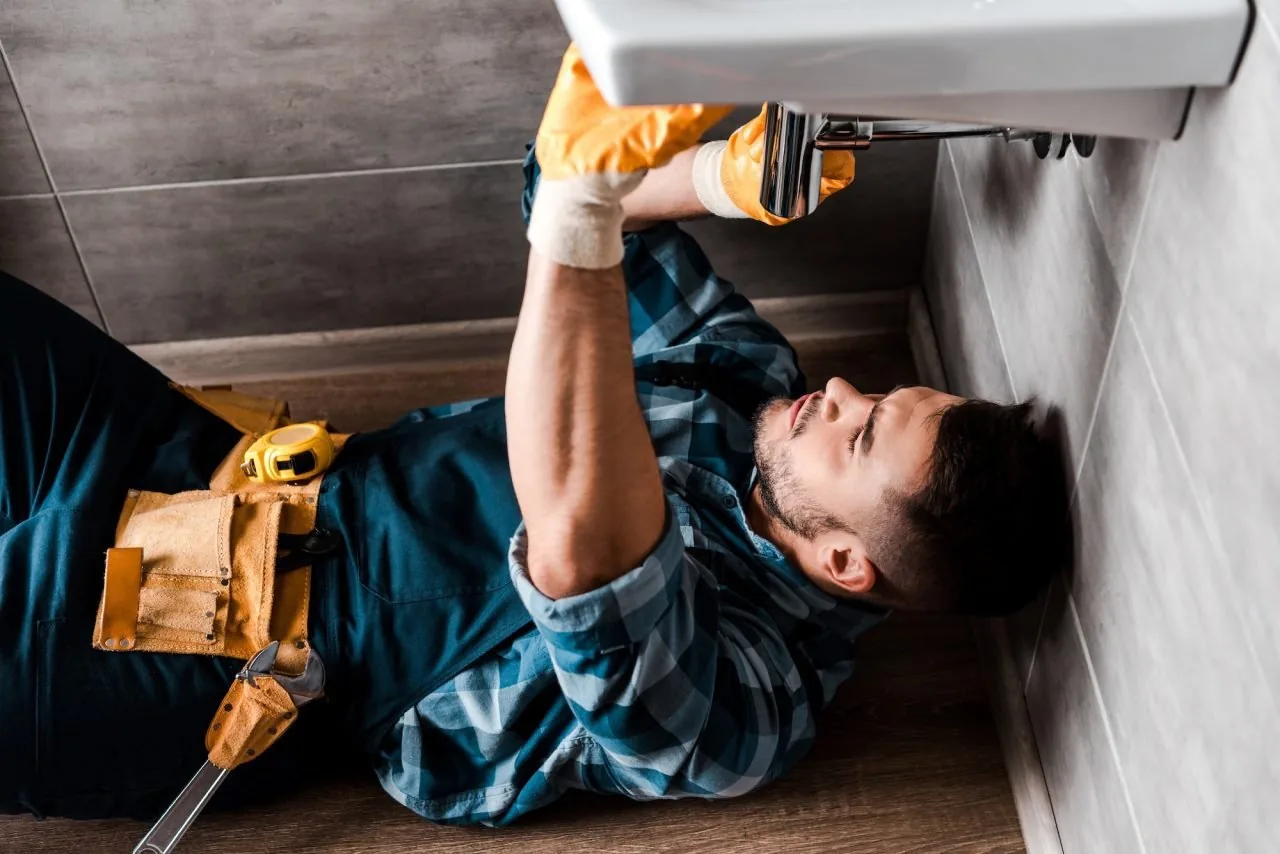
on-site plumbing experts
Residential Plumbing
Reliable home plumbing repairs, installations, and maintenance done right.
Commercial Plumbing
Dependable plumbing solutions for businesses and commercial properties.
When a pipe fails in a Decatur house, townhome, or condo, we isolate and test the supply, the drain, and the tank before anyone opens a wall. Decatur Plumbing Experts helps homeowners in Decatur, Scottdale, Clarkston, and Stone Mountain with the leaks, clogs, and cold showers that show up in this older housing. We are a plumber in Decatur, GA who works 30030 every day, and we stay on call 24/7.
A typical call covers emergency plumbing, water heater repair, drain cleaning, pipe repair, slab leak repair, fixture installation, and garbage disposal work. In Oakhurst bungalows from the 1920s, galvanized supply lines and cast iron drains still sit under crawl spaces and slabs, so those runs get tested first. Soft city water and age are why rust colored water from the taps still shows up after a house sits unused.
We check the meter side, the house side, and the tank before we cut. Floors are left dry, fixtures are seated, and the shutoff is labeled so the next person in the house can find it. That habit is how a same-day diagnosis stays tied to a reading instead of a guess behind plaster.
From here we walk through the stresses those houses put on their lines, the work we take, and how a visit runs from the first message to the last check. Slab houses and crawl space bungalows fail in different ways, and both still start with the same tests. Then we cover nearby towns and the questions we hear most.
Most of Decatur sits on Cecil clay, a Piedmont red soil with a low shrink-swell rating that still wets and dries in a slow, heavy way. It holds water after a storm and pulls away in a dry spell, which tugs at copper, galvanized, and plastic buried under a slab. Crawl space lines hang in damp air over the same soil, so hangers rust and joints weep. Slab and crawl-space leaks are the work we see most, so we test before a saw touches a chase.
Decatur winters are short, then they get sharp. A bungalow crawl with a thin galvanized branch in an unheated corner will split the same way a vacant unit does. We thaw and cap what we can, then pressure the rest so a second split is not hiding in the wall. Frozen pipe repair in winter starts with the shutoff, not with heat on a fitting you cannot see.
DeKalb County Department of Watershed Management treats surface water from the Chattahoochee River at the Scott Candler plant and sends it through town. That tap water is typically soft, which is easy on kettles and hard on galvanized steel that has been in the ground since the bungalow era. Soft water plus age is why a pinhole appears on the bottom of a pipe long before the top looks bad. We flush and sample at the meter and at the fixture so we know whether the stain is the city main or the house line.
Full service plumbing in this city still starts with testing. The blocks below are the jobs we run most, each tied to the housing that produces them. If you need the whole list in one place, the plumbing services page gathers every trade we keep on the truck.
A burst in a crawl or a ceiling stain late at night is not a weekday problem. Older Decatur houses hide shutoffs behind furnaces and under porches. We come as an emergency plumber, stop the flow, and test so the repair is the failed joint.
Once the water is stopped, we pressure the supply and camera the drain so the second leak is not a surprise. An emergency plumber for a burst pipe still owes you a named cause, not a patch. How to stop an emergency water leak, and the after hours order we use, is on our emergency plumbing page.
A tank in a bungalow closet often sits on a pan that has rusted through, so a small weep becomes a bedroom leak. Soft DeKalb tap water does not scale a tank the way hard well water does, but the steel still thins. We test the tank, the T&P valve, which relieves pressure on the tank, and the pan before we talk about water heater replacement.
Water heater repair the same day is often an element, a thermostat, or a valve. Replace an old water heater when the shell itself is open, because a clamp on a rotten tank will not last. Details live on our water heaters page.
Food, wipes, and grease start most kitchen clogs, but in this housing the pipe itself is often why the clog returns. Cast iron under a crawl sags at the hubs, so a kitchen sink drain that keeps backing up is a belly, not a lazy trap. We cable when that will clear the line, then we camera so we do not sell another cleaning for a broken hub.
Drain cleaning for a clogged kitchen sink is only half the visit if the camera shows a collapsed section. Clogged drain repair on original iron often means a section of pipe, not another bottle of crystals. That same visit is who to call for a clogged toilet, and the method is on our drain cleaning page.
Galvanized, copper, and later plastic often meet in one Decatur house because kitchens were redone while the bath was left alone. A plumber to fix low water pressure starts at the meter, then at the water heater bypass, then at the galvanized trunk. Banging pipes in the walls are often loose galvanized hangers, not a mystery pump.
Fix a leaking pipe in a wall after the test names the side. Burst pipe repair, water line repair, and repiping are different jobs, and we will say which one the house needs. Main water line leak repair from the meter to the house is on our pipe repair page.
Later infill and some postwar houses put supply lines in the slab. Cecil clay around those lines wets and dries, and a pinhole under a hallway is how a plumber for a leaking ceiling upstairs still finds the source in the floor. We shut off, listen, and mark, and only then do we talk about a small opening.
Leak detection on a slab is a set of readings, not a demolition plan. Slab leak repair can be a reroute in the wall or a point repair, and we pick based on the test. That work is spelled out on our slab leak repair page.
Many bungalows gained a bath in a porch or attic, and the valves behind those tubs were builder-grade even when the house was not. A faucet dripping all night wastes a surprising amount of water through a soft-supply city meter. We open the stops, test the valve, and set the new trim so it matches the rough-in that is already there.
Toilet repair, faucet repair, and shower valve replacement are fixture work we do after the stops hold. A plumber for a condo or townhome uses the same stops-and-test order, just with less room to swing a wrench. See fixture installation for the sequence.
A jammed ring is often silverware, but a bungalow kitchen stack will also hold grease just past the disposal, so the unit hums against a full pipe. We kill power, check the reset, and only then pull the unit. A disposal that leaks at the sink flange is a different job from a motor that has shorted.
Garbage disposal repair is a motor, a splash guard, or a flange. If the camera shows the stack is the reason, we say so instead of hanging a new unit on a bad line. Steps are on our garbage disposal repair page.
If you smell gas or suspect a gas leak, go outside immediately and call 911 – this is a serious emergency that needs urgent attention from the gas company. On a planned visit we test appliance connectors, shutoffs, and the short runs that feed a range or a tank. We repair or replace only what the soap test and the meter show. Gas line repair at a water heater or stove is appliance piping, not a street main, and we keep that line shut off until it holds.
We do not leave a connector in service that fails a soap test. Appliance piping is checked with the valve off, then with it on, and we watch the meter. The area is ventilated before we pack up, and the shutoff is left where you can reach it.
What We Offer

A functional plumbing system is the backbone of any comfortable home or efficient business. From the clean water that flows from your tap to the waste that is safely carried away, every component plays a vital role in your daily life.
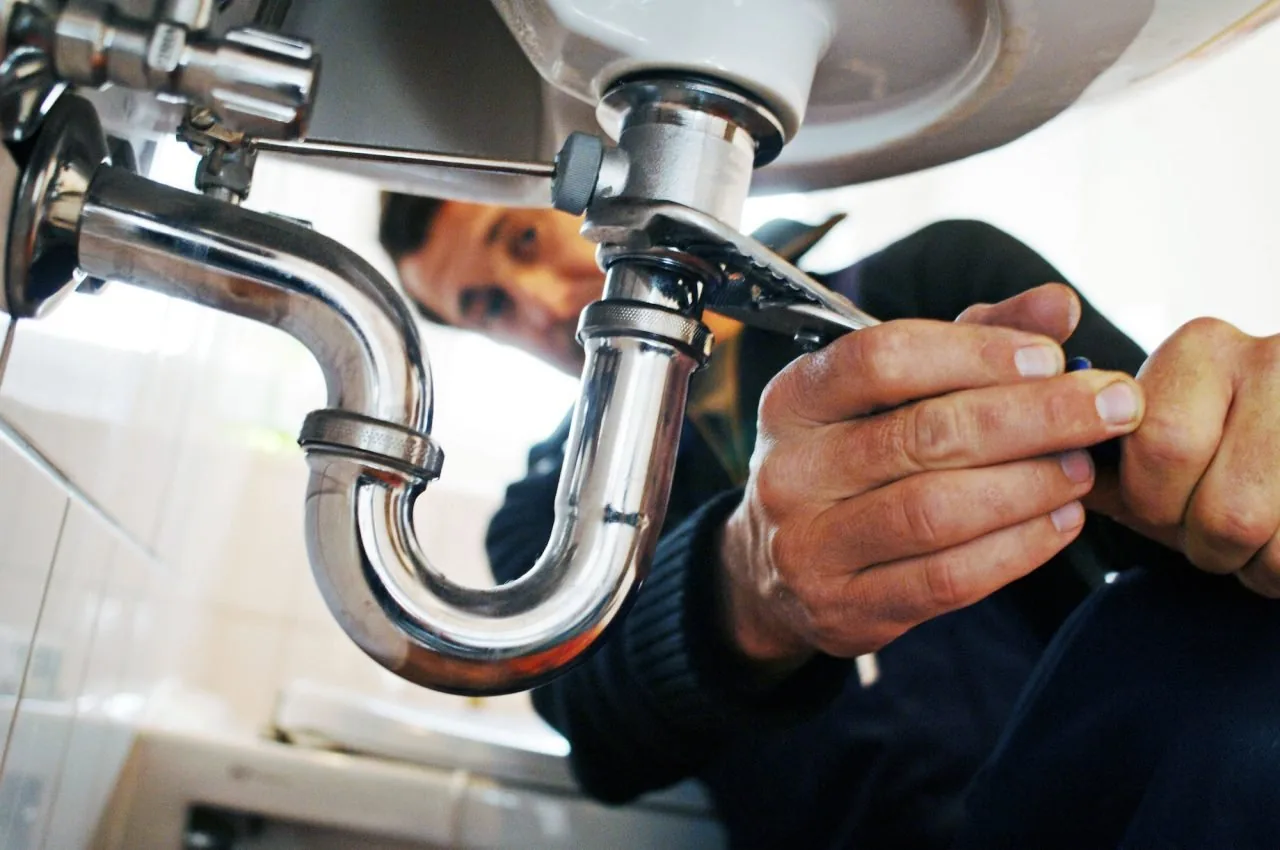
Water damage from a leaking or burst pipe can be devastating to a property. It can ruin drywall, warp flooring, and encourage the growth of mold. That is why we take every call seriously.

Hot water is an essential part of modern living. From a warm shower in the morning to running the dishwasher after dinner, your water heater works silently in the background to provide comfort and sanitation. When this system fails, it is immediately noticeable.

A clogged drain is one of the most common and frustrating issues a homeowner or business owner can face. It starts as a minor annoyance water draining a little slower than usual in the shower or the kitchen sink.
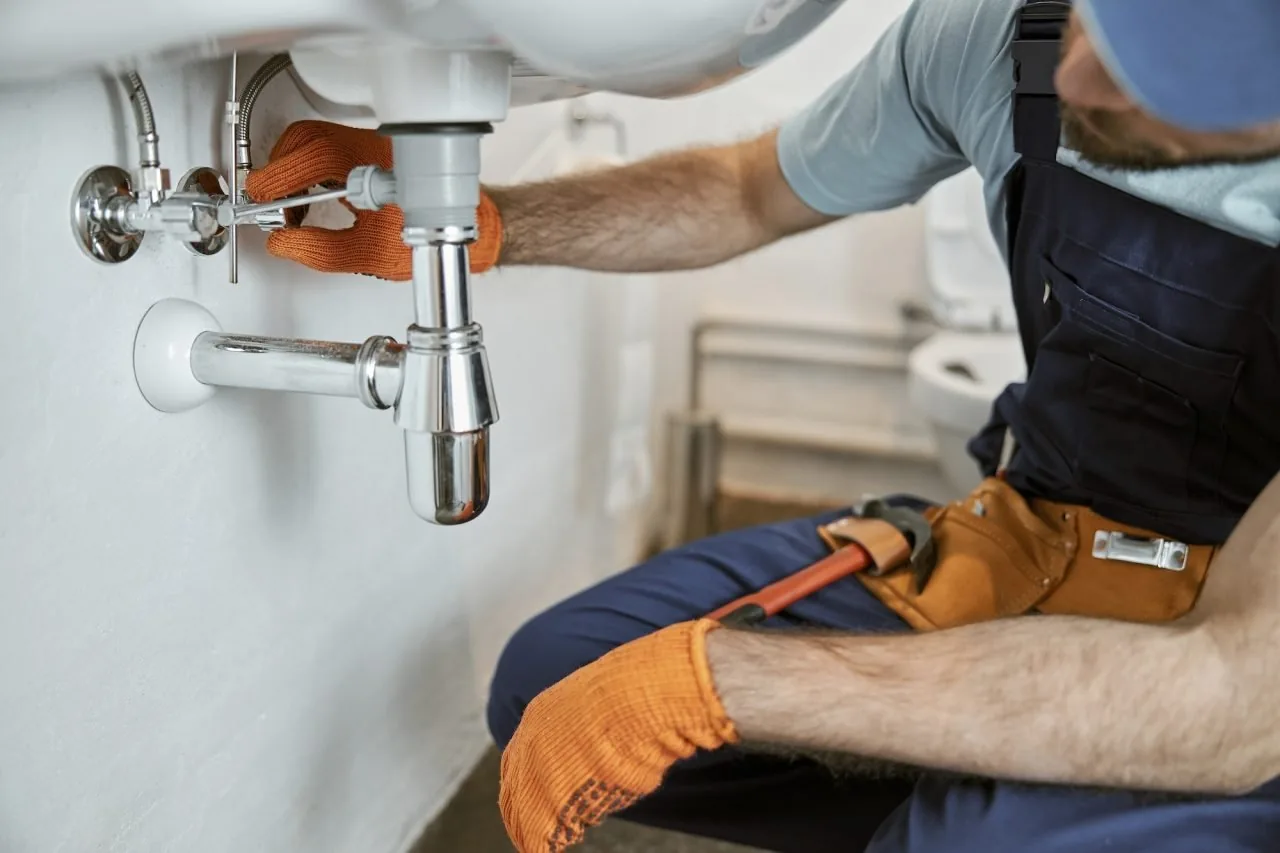
Updating your plumbing fixtures is one of the most effective ways to refresh the look of your home without committing to a full scale renovation. A modern kitchen faucet or a sleek new bathroom vanity can transform a space instantly.
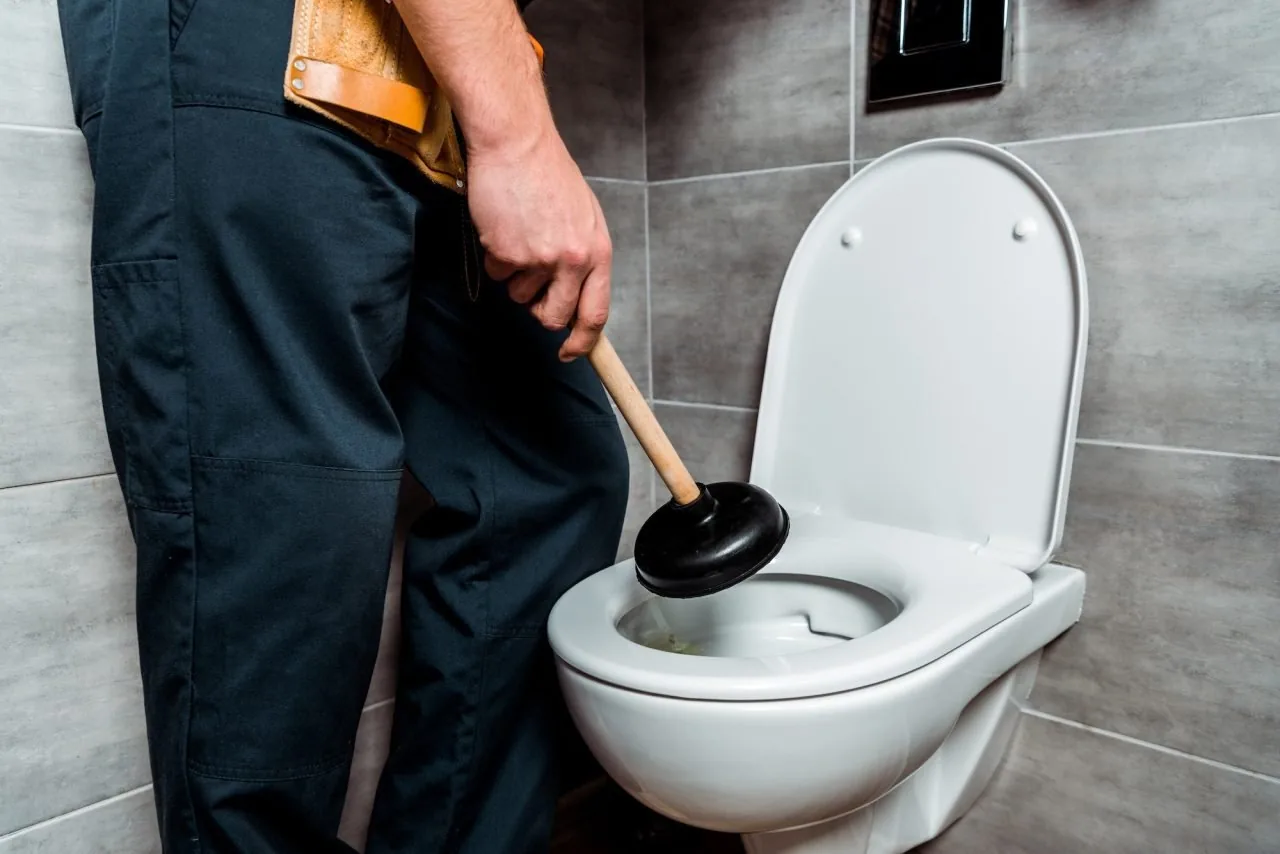
When a plumbing disaster strikes your home or business, time is the most critical factor. Water damage spreads quickly, and a functional plumbing system is essential for safety and sanitation.
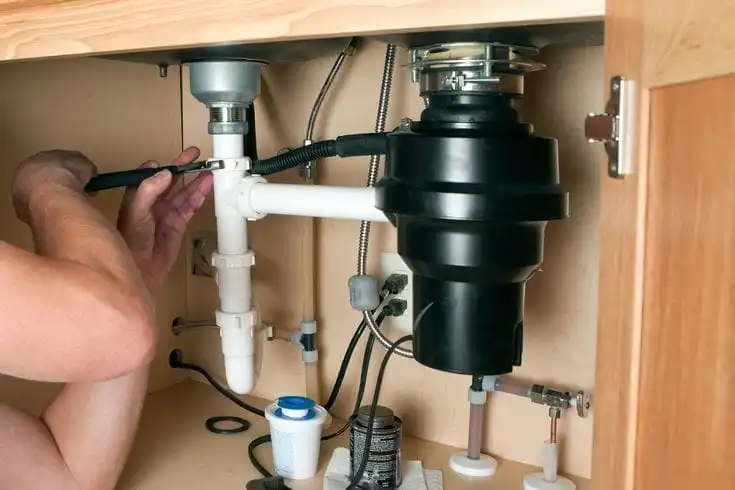
It works tirelessly to grind up food scraps, making cleanup after meals fast and sanitary. When this appliance fails, however, it becomes immediately obvious. A jammed garbage disposal or a clogged kitchen sink can bring your household routine to a grinding halt.
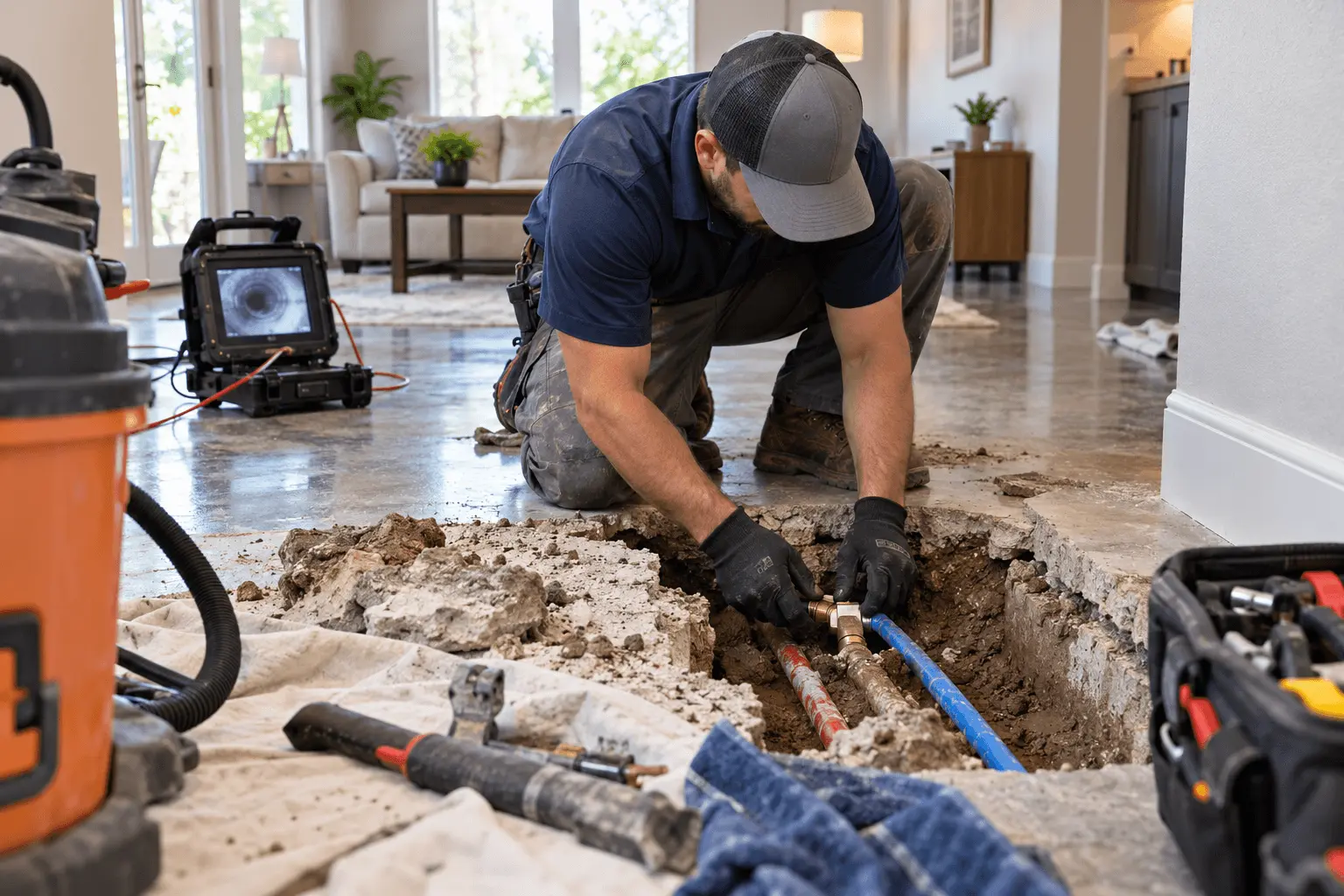
Slab leaks can cause hidden water damage beneath your floors and foundation. Signs may include warm spots, damp flooring, or unexplained increases in your water bill. We locate the source and repair the damaged pipe before the problem gets worse.
Our shop is at 308 E Howard Ave, a short run from the Square, so a truck that needs a fitting does not disappear for half a day. Parts for galvanized unions, copper, and PEX ride with us because those three materials meet in one block of bungalows. That address is also where we stage after-hours calls so the first person out already has the gauges.
Testing the supply, the drain, and the tank is the first hour, not a slogan. A wet stain over a dining room can be a tub overflow, a roof, or a pinhole in a galvanized tee. Gauges and a meter reading cost less plaster than a hole in the wrong place.
We stock galvanized repair couplings, copper, PEX, wax rings, cartridges, and disposal parts because a bungalow bath and a newer kitchen often share one water heater. Waiting on a warehouse run while a ceiling drips is how a small leak becomes a floor job. If a part is truly special order, we say that before we start the opening.
Drop cloths go down, shoes come off on finished floors, and the shutoff is tagged. Cutouts are squared so a carpenter can patch them. A plumbing inspection at the end of the visit is the fixtures on, the meter watched, and the crawl hatch closed.
Dispatch is 24/7 because a split in a crawl does not wait for morning traffic near the Square. A same day plumber visit still means we test on the first trip and tell you what failed. After-hours work uses the same testing order as a Tuesday afternoon call.
A short note with the ZIP, the decade of the house if you know it, and whether you are on a slab or a crawl is enough to load the right fittings. Photos of the meter, the wet spot, and the shutoff help. We confirm we can take the call and give you a window, including nights and weekends.
Someone needs to be there to show the hatch, the panel, and the pets. If the water is already off, leave it off. If it is on and spreading, we talk you to the valve while the truck is rolling.
On site we test each side, then we walk you to the meter, the tank, or the crawl and show the reading. You hear what failed in plain words, what we can repair now, and what should wait if a part has to come later. Same-day diagnosis means that conversation happens on the first visit.
We repair the named failure, restore water, and watch the meter. Fixtures get a run through hot and cold so both sides are proven. The work area is dry, the hatch is closed, and you know where the shutoff is before we leave.
DeKalb County has humid subtropical summers, and lawns and showers hit the same galvanized trunks at once. A plumber to fix low water pressure in the heat often finds a steel main that was already narrow, now asked to feed irrigation and two baths. We still test at the meter before we blame the house.
Unheated crawls and vacant rooms split first when a cold snap hits. Thin galvanized branches on porches and in attic corners are the usual failures. We would rather cap and drain a porch line in fall than replace a ceiling after a freeze, and we will say so if we see a naked branch.
Decatur is a small city with a deep bungalow fabric, and the failures follow the era of the street. A residential plumber here spends more time under porches than in new attics. The notes below are about housing era and typical pipe, never a claim about one address.
Oakhurst grew along College Avenue in the 1910s and 1920s as bungalows around a small village core. Galvanized supply and cast iron drains in those crawls pit and sag, so kitchen backups and pinhole leaks show up together. We test both sides before we open a kitchen wall.
Winnona Park sits on South Candler Street by Columbia Theological Seminary and is listed for its early twentieth century houses. Original iron and steel are still in many crawls, with later copper patches at kitchens. A local plumber in this pocket looks at hangers and hubs before blaming a new fixture.
The MAK district takes its name from McDonough, Adams, and Kings Highway, a Craftsman street pattern from the 1910s to the 1930s. Galvanized trunks and cast iron stacks are the usual pairing. Fixture changes in these baths often reveal stops that no longer hold, which we replace before we set new trim.
Clairemont Avenue houses from the 1920s through the 1940s sit between galvanized and early copper. Mixed-era repairs are common, and a green copper stain next to a rusty galvanized tee is a typical attic picture. We test each material on its own so a copper pinhole is not blamed on the steel.
Around Decatur Square and the Old Courthouse, the earliest houses keep short galvanized runs and iron drains on tight lots. Access is through small hatches and alley sides. Leak work here is slow on purpose because a wrong cut lands in original plaster.
Parkwood along North Parkwood Drive is a local historic district of early twentieth century houses. Crawl space moisture and original steel are the usual pair. We treat those lines as one system with the later kitchen copper, not as two unrelated jobs.
Ponce de Leon Court is a small historic court off Ponce de Leon Avenue with tight side yards. Shared runs and old galvanized are the pattern. We map the meter to each house before we open a shared chase.
Glennwood Estates from the 1930s to the 1950s starts to show copper in place of steel. Joints at the transitions weep after decades. Pressure tests on those transitions tell us whether a section repair is enough.
Scottdale is a DeKalb County community on North Decatur Road, with ZIP 30079 and the same county water we already work. Median housing is later than the bungalow core, around the mid 1980s, so copper and early PVC show up more than original galvanized. We still check the meter, the house, and the tank. More detail is on our Scottdale plumber page.
Clarkston is also in DeKalb County, on ZIP 30021, billed by the same watershed department. A large share of the housing went up in the 1970s along Church Street and Montreal Road, with copper supply and plastic drains. Joint weeps and cracked fittings are the usual calls, and the test order does not change. See our Clarkston plumber page for that stock.
Stone Mountain houses in 30083, 30087, and 30088 sit in DeKalb County on DeKalb tap water as well. The stock is largely 1970s and 1980s, often on slabs along Memorial Drive and Main Street, so buried copper and fewer original crawls. Testing still comes first. Our Stone Mountain plumber page covers those slabs.
Electric water heaters and disposals share space with water, and a wet outlet is not a place for a homeowner to keep resetting a breaker. If a panel is involved, we stop and keep the area dry until the circuit is safe. That is how a small leak stays a plumbing job instead of a fire job.
Appliance gas piping belongs in the same category. A connector that has rubbed through will not be found with dish soap in the dark, and a mistake there is not a wet floor. We test those runs with the valve off, then on, and we do not restore an appliance that fails. Water damage from a wrong guess is the other risk, because opening plaster without a meter reading is how a house loses original lath for a leak that was in the attic pan.
Fragile parts fail when they are forced. A bungalow stop that has not moved in twenty years will snap if you lean on it with a pipe wrench, and then the whole house is off at the meter. Modern controls on a tankless unit throw codes that look like a leak and are not. The best plumber for older homes is the one who will tell you when a weekend patch will not hold.
Plumbing Experts Services
Whether it’s the kitchen, bathroom, or sewer line, we have the tools and training to handle any challenge your plumbing system throws at us.
Don’t risk it with your plumbing. We combine years of experience with modern technology to deliver lasting repairs and installations. Our team respects your time and your property.
Common Questions
These are the questions we hear on Howard Ave and on the bungalow streets. Shorter answers to a longer list live on our plumbing FAQ.
A wet ceiling can come from a supply pinhole, a slow drain backup, or a tank weeping at the drain valve. Opening a wall before those three are named often wrecks the wrong plaster. We shut the house, read the meter, cap fixtures, and test the tank separately so the repair matches the failure.
They do, and they are the calls we see most. Many older houses sit on crawl spaces where galvanized tees rust from the bottom. Later infill on slabs hides copper or polybutylene in the clay, and a meter that spins with fixtures off points at a buried run. We test before anyone saws a chase.
Under those 1910s and 1920s bungalows the galvanized supply often pits first, then the cast iron drain sags at the hubs. A kitchen sink that used to clear and now crawls is usually scale in that iron, not a new clog in the trap. We camera the drain and pressure the supply as two jobs.
Yes, Scottdale sits in DeKalb County on the same county tap water we already know. Housing there mixes mid century houses with later infill, so we still check the meter, the house, and the heater before we open anything. Copper and early PVC show up more than the galvanized closer to the Square.
A lot of Clarkston housing went up in the 1970s along Church Street and Montreal Road, with copper supply and PVC or ABS drains. Those copper joints can weep at the solder after decades of use. Plastic drains crack at fittings when a stack is poorly supported, and we repair the joint the test named.
Stone Mountain houses are billed by the same DeKalb County Department of Watershed Management that serves Decatur, from the same Chattahoochee surface supply. The housing itself is later, mostly 1970s and 1980s stock on slabs along Memorial Drive, so we see more buried copper and fewer original crawl runs.
That is the first hour of our visit, and we do not start by cutting plaster. The meter tells us if water is still leaving the house with fixtures off, and caps and gauges tell us which branch is open. The tank is shut off so a leaking drain pan is not blamed on a wall.
If the tank is leaking from the bottom, the steel has failed and a repair will not hold. A bad heating element or a stuck T&P valve, which relieves pressure on the tank, can still be a same day plumber repair. We test the tank, the pan, and the elements first, then say whether replacement is the only honest path.
Food scraps start the clog, but the reason it returns is often a cast iron run with a belly in the crawl. Cable work can punch a hole through grease and still leave the sag. We clean the line, then camera it so we can see whether the pipe itself is why a kitchen sink drain that keeps backing up will not stay clear.
We shut fixtures, watch the meter, and use listening gear and pressure tests on the supply to mark the run. Dye and camera work handle the drain side. Only after the test names a zone do we talk about a small opening, which is leak detection for a slab rather than a guessing tour.
Decatur Plumbing Experts is the plumbing company that tests the supply, the drain, and the tank on the older housing in Decatur, then repairs what the test named. We handle emergency plumbing, water heaters, drain cleaning, pipe and slab leaks, fixtures, disposals, and appliance gas piping for houses, townhomes, and condos. The crew works from 308 E Howard Ave and knows the bungalow streets as well as the later stock in Scottdale, Clarkston, and Stone Mountain.
If a ceiling is wet, a tank is cold, or a drain will not hold, the next step is a visit that starts with the meter and the tank, not with a hole in the plaster. Read about our crew if you want more on how a visit runs in Decatur. We will take the call, test on the first trip, and leave the shutoff labeled.
Taking care of your home includes taking care of your plumbing. Simple steps like not pouring grease down the sink and knowing where your emergency water shut off valve is can make a big difference. However, when professional help is needed, it is important to call a team that knows what they are doing.
We are dedicated to maintaining the health and safety of the plumbing systems in Decatur. We take pride in our work and in our community. Thank you for considering Decatur Plumbing Experts for your residential and commercial plumbing needs. We look forward to serving you.
Zip codes we serve: 30002, 30021, 30030, 30032, 30033, 30034, 30035, 30079, 30083, 30087, 30088
(470) 762-8444